
CBS Mornings Deals: How the Exclusive Discounts Reach Your Cart
CBS Mornings Deals highlights lifestyle products at exclusive prices through cbsdeals.com. Here is how the segment works and what to weigh before you buy.
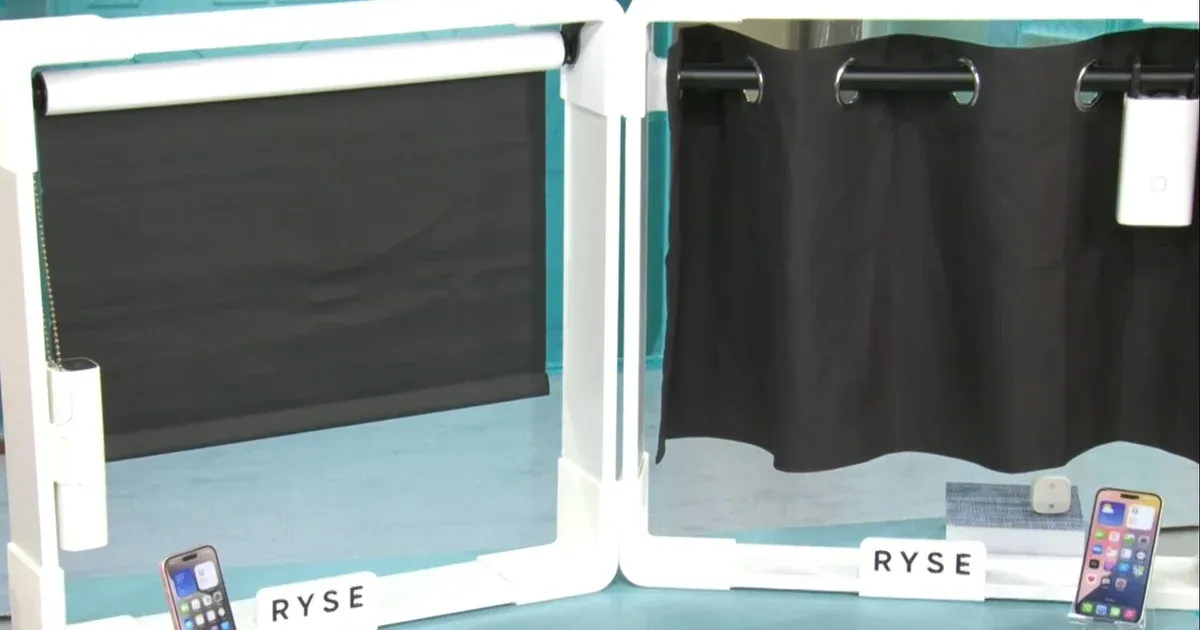
CBS Mornings Deals is built around a simple promise: show viewers products that could improve their everyday lifestyle, then point them to a single page where the discounts can be claimed. The segment's own summary describes the lineup that way and directs shoppers to cbsdeals.com. Understanding how that pipeline works — from the television set to the checkout page — is what separates a considered purchase from an impulse one.
What This Edition of the Segment Puts in Front of Viewers
The brief for this edition is intentionally broad rather than narrow. Instead of anchoring the offers to one product category, the summary describes a set of items selected for their potential to fit into daily routines. That framing tells viewers what kind of decision they are being invited to make: a practical upgrade, not a major financial commitment.
Acting on what they see requires one step. The source directs viewers to cbsdeals.com to "take advantage of these exclusive deals today." The word exclusive carries weight in that sentence, because it suggests the pricing is tied to this promotion rather than being a permanent shelf price.
What the brief does not provide is a product list. No item names, prices, or discount percentages appear in the available summary, so any specific claim about what is on offer would go beyond what the source supports.
How the Affiliate Arrangement Shapes the Recommendation
One line in the disclosure explains the economics of the whole feature: CBS earns commissions on purchases made through cbsdeals.com. When a viewer buys after following the segment's lead, the network collects a share of that sale.
That model is common in media commerce, and it changes how the segment should be read. The featured products are not neutral editorial picks with no commercial stake attached. They are selected with a revenue mechanism built in.
Recognizing the arrangement is not the same as dismissing the offers. A commission-based recommendation can still point to a genuinely useful product at a genuinely lower price. The point is that the incentive and the advice arrive together, so the viewer's own judgment remains the final filter.
Why Lifestyle Products Fit Morning Television
Everyday items suit this format for structural reasons. A morning audience is making decisions in short windows, often while getting ready or planning the day, so a product that solves a small recurring problem is easier to evaluate quickly than a complex purchase.
Lifestyle framing also widens the pool of potential buyers. A segment built around improving daily routines can speak to viewers across very different households, which is useful when the goal is broad reach rather than a niche audience.
The trade-off is that "everyday" covers a lot of ground. Without a stated category, viewers cannot assume the featured items match their own needs, budgets, or existing equipment.
What to Confirm Before Acting on a Televised Deal
Because the available source does not detail the terms of any individual offer, the specifics have to be checked at the point of purchase. A few questions cover most of the risk:
- Does the advertised price include shipping, taxes, and any handling fees?
- Is a promotional code required, and does that code expire?
- What is the return window, and who pays for return shipping?
- Does the product carry a manufacturer warranty, and is that warranty valid where you live?
- Is the same item available elsewhere at a comparable or lower price?
These checks take a few minutes and address the gap between a compelling on-air pitch and the final cost. Television segments compress information by design; the checkout page is where the full terms live.
The Larger Shift Behind Deals Segments
Features like CBS Mornings Deals sit at the intersection of two trends in consumer media. Broadcasters are looking for revenue beyond advertising, and retailers are looking for trusted introductions to new customers. A televised deal serves both sides at once.
For viewers, the practical effect is a shorter path from seeing a product to buying it. That convenience is real, and so is the pressure it creates to decide quickly. The exclusivity language in the segment reinforces that pressure.
The counterweight is straightforward. Treat the segment as a discovery channel — a way to learn that a product exists — and treat the purchase decision as a separate step with its own verification.
What Viewers Should Take Away
The value of this edition depends less on any single product and more on how the viewer uses it. The segment identifies items aimed at everyday improvement and routes buyers to cbsdeals.com, where CBS collects commissions on completed purchases.
That structure rewards a certain kind of viewer: someone who watches, notes what looks useful, checks the terms, and then decides. Used that way, an exclusive discount is simply a discount. Used without verification, it is a price you agreed to before you knew the full picture.
For anyone who missed the broadcast, the source points to cbsdeals.com as the place where the offers are collected. That page, not the segment, is where the actual terms can be read.
Sumber & Referensi
Referensi berikut digunakan sebagai konteks faktual. Artikel ditulis ulang secara editorial dan bukan salinan dari sumbernya.