
Grand Rapids Revives Its Missing River Rapids in Downtown Restoration
Construction begins on a major Grand Rapids project to remove four dams and restore historic rapids. The initiative improves fish habitat and public river access.
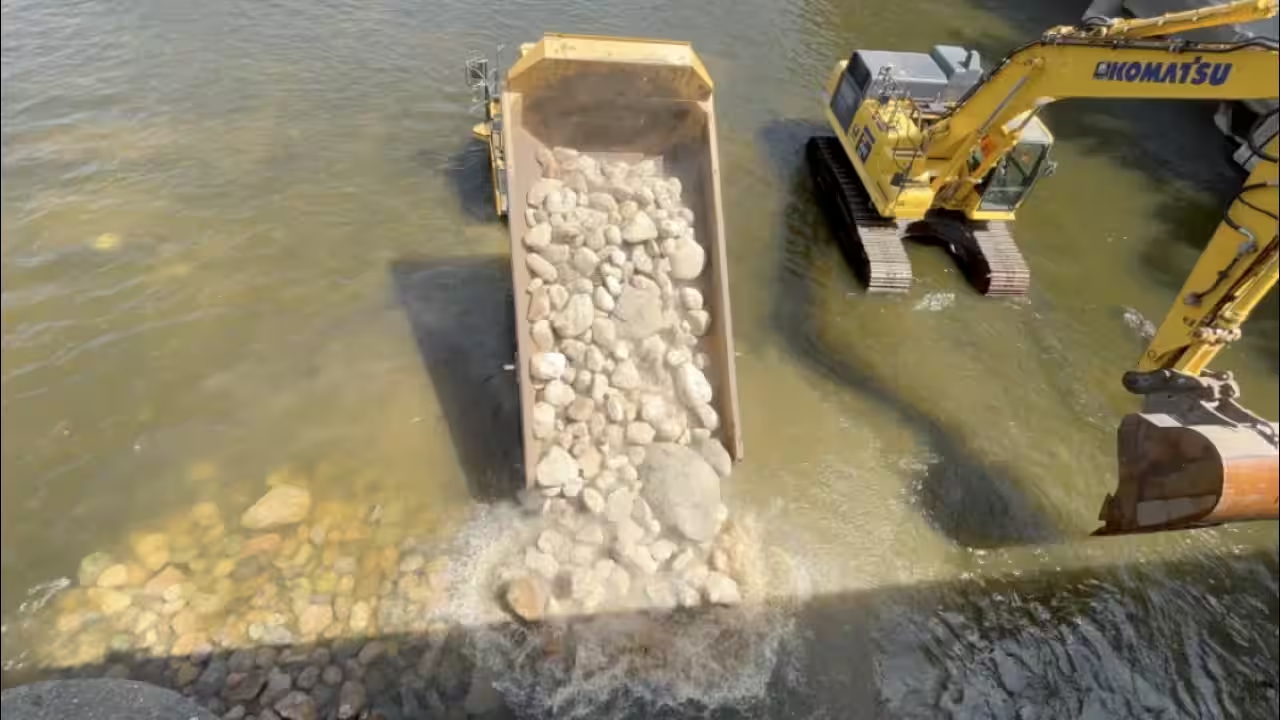
Grand Rapids, Michigan, is finally rebuilding the river features that defined its identity for centuries. Construction has started on the first phase of a project designed to bring back the powerful rapids that gave the city its name. These natural waterfalls disappeared long ago due to industrial development and the construction of several low-head dams.
After nearly two decades of planning and study, officials have moved from the blueprint stage to active construction in the city center. The initiative targets four specific dams along the Grand River. Rather than building new concrete structures, the project team is removing the barriers and replacing them with natural rock formations. This approach aims to restore the river’s original character while improving ecological function.
From Industrial Barriers to Natural Flow
The original rapids of the Grand River were a defining geographic feature. They attracted settlers, power mills, and eventually gave the city its name. However, as the region industrialized in the 19th and early 20th centuries, the need for controlled water levels for factories and mills led to the construction of four low-head dams. These barriers regulated the river but effectively eliminated the natural turbulence and rapids. Over time, the river in downtown Grand Rapids became a calmer, managed channel rather than the dynamic waterway that originally attracted the first residents.
Removing these dams is not just an aesthetic choice; it is an ecological necessity. Low-head dams are widely recognized as significant barriers to fish migration. Many species cannot navigate the step-like structures, which isolates populations and reduces genetic diversity. By replacing the concrete dams with natural rock features, the project creates a continuous path for fish to move up and down the river. This restoration helps reconnect downstream habitats with upstream spawning grounds.
Ecological Gains and Community Access
The restoration plan extends beyond simply removing obstacles for fish. The project includes specific measures to protect native mussels, which are vital for water filtration and maintaining river health. Mussels are often the first to suffer in degraded waterways, so their protection indicates a focus on long-term ecosystem stability. Additionally, the plan addresses the threat of invasive sea lampreys. These parasitic fish attack larger fish and can devastate populations. The new infrastructure includes features designed to mitigate this invasive species' impact on the recovering river ecosystem.
For the residents of Grand Rapids, the project also restores public access to the river. For years, the dams and the industrial legacy of the riverbank limited where people could safely enter the water. The new natural rock formations and redesigned banks are intended to make the river more approachable for the community. This shift reflects a broader trend in American cities where waterways are being reclaimed as public spaces rather than industrial corridors.
The timing of this construction is significant. It comes after a long period of scientific study and community engagement, which spanned nearly twenty years. This extended planning phase allowed engineers and ecologists to model the expected changes in water flow and habitat quality. The result is a phased approach that prioritizes the most impactful changes first. Phase one focuses on the downtown stretch, where the historical connection to the city's founding is strongest.
Restoring a Historical Identity
For a city named after a geographic feature that no longer exists, restoring that feature carries symbolic weight. Grand Rapids has lived with the absence of its rapids for over a century. The river became a utilitarian infrastructure for industry, and later a recreational path, but it lost its raw, natural power. Bringing back the rapids, even in a managed and ecologically sound form, reconnects the modern city with its historical roots.
The use of natural rock rather than engineered concrete highlights a move toward resilience-based infrastructure. Natural features are more durable and often better suited to handling changing water levels and flood events than rigid structures. This approach aligns with contemporary best practices in river restoration, which emphasize working with natural processes rather than fighting them.
As construction progresses, the downtown area will undergo visible changes. The removal of the four dams is a major undertaking that requires careful management of sediment and water levels. The project team is likely monitoring these changes closely to ensure the transition is smooth. The goal is not just to create a look that resembles the past, but to establish a functional river system that supports biodiversity and community life.
This effort demonstrates that industrialization does not have to be permanent in its environmental impact. While it took over a century to acknowledge the need for change, the actions taken now can reverse decades of degradation. Grand Rapids is using this project to show that a city can honor its history while adapting to the ecological needs of the present. The restored rapids will serve as a daily reminder of the river’s power and the city’s commitment to its recovery.
Sumber & Referensi
Referensi berikut digunakan sebagai konteks faktual. Artikel ditulis ulang secara editorial dan bukan salinan dari sumbernya.