
Philippines El Nino Impact: 356,800 People Affected by Drought and Heatwaves
The DSWD reports that 356,800 people in the Philippines are affected by El Nino, facing displacement and livelihood loss due to severe drought and heatwaves.
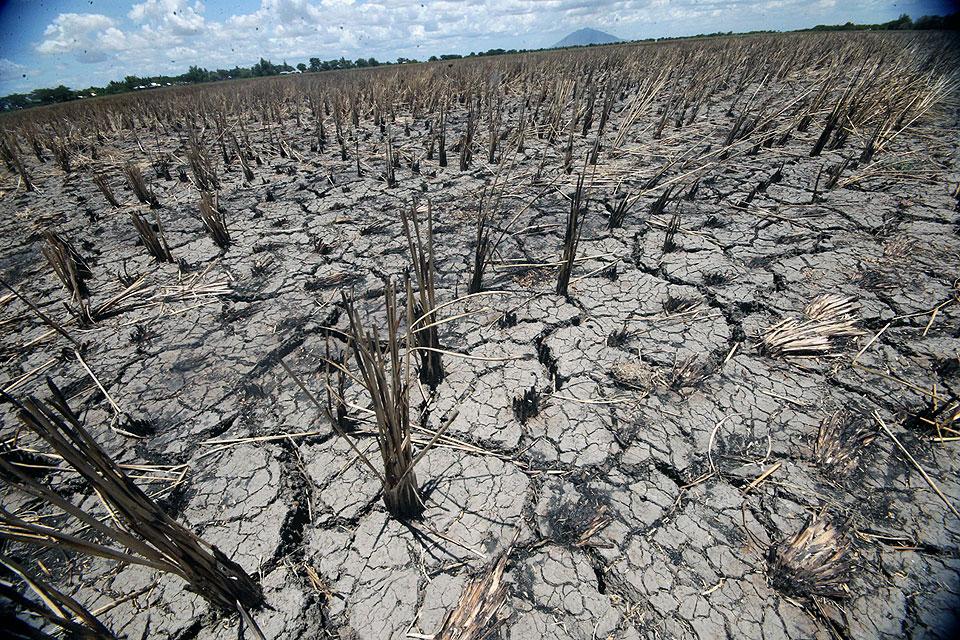
El Niño has struck a vulnerable population across the Philippines, with the Department of Social Welfare and Development (DSWD) reporting that approximately 356,800 people are currently affected by the weather phenomenon. This figure, released on Thursday, marks a critical threshold in climate-driven humanitarian crises, forcing many households to confront displacement, lost livelihoods, and immediate needs for social support.
For readers tracking climate impacts in Southeast Asia, this number represents more than a statistical aggregate. It reflects thousands of communities where agricultural cycles have collapsed and infrastructure systems have been stretched to their limits. The DSWD’s report highlights that the impact is widespread, cutting across multiple regions where El Niño-induced drought and heatwaves are most severe. These climatic shifts have directly disrupted daily life, leaving vulnerable populations at higher risk of health complications and food insecurity.
The Mechanism Behind the Impact
El Niño is a recurrent global weather pattern that influences climate conditions, but its effects are felt most acutely in tropical regions like the Philippines. The phenomenon typically brings about prolonged periods of above-average temperatures and significantly reduced rainfall. This combination creates severe drought conditions that degrade soil quality and deplete water sources. In the context of the recent DSWD report, the 356,800 affected individuals are those whose lives have been directly disrupted by these climatic shifts.
The mechanism is straightforward but devastating for agricultural communities. Farmers have lost crops due to lack of rain, while communities face water scarcity that impacts both drinking and sanitation. Extreme heat further worsens the health of vulnerable groups, including the elderly and children. The DSWD tracks these impacts to allocate resources effectively, using the count of affected persons as a key metric. This data informs the deployment of relief goods, financial assistance, and mobile social services to the hardest-hit areas.
From Data to Humanitarian Action
Behind the figure of 356,800 are specific communities and families navigating the immediate aftermath of climate stress. The DSWD’s reporting highlights that the response to El Niño is not just about weather monitoring; it is about active social welfare intervention. The agency provides nutritional support, water supplies, and temporary shelter for displaced populations. Its role is to bridge the gap between the environmental phenomenon and the social safety net that protects vulnerable citizens.
By identifying the scale of the impact, the DSWD can prioritize zones where the risk of food insecurity and health complications is highest. This data-driven approach ensures that aid reaches those in critical need rather than being distributed evenly across unaffected or less-affected regions. The government’s coordination of relief efforts relies heavily on this baseline, allowing for targeted interventions that address the most urgent needs on the ground.
Understanding the Broader Implications
The DSWD’s count of nearly 357,000 affected individuals signals a major operational challenge for social services. It serves as a reminder of the Philippines' vulnerability to climate variability, where weather patterns can rapidly escalate into humanitarian crises. The public takeaway is clear: climate events like El Niño have tangible, measurable social consequences that require coordinated government response. As the government continues to monitor the situation, the focus remains on mitigating the immediate hardship faced by these communities.
Building resilience against future climate shocks is now a priority, informed by the lessons of this current cycle. The data provided by the DSWD not only guides immediate relief but also informs long-term planning for social protection. By understanding the scale and nature of the impact, authorities can better prepare for subsequent El Niño events, ensuring that social services remain robust and responsive to the needs of the most vulnerable populations in the archipelago.
Sumber & Referensi
Referensi berikut digunakan sebagai konteks faktual. Artikel ditulis ulang secara editorial dan bukan salinan dari sumbernya.