
DR Congo's Ebola Outbreak: A Critical Shortage of Health Workers Threatens Containment Efforts
WHO warns DR Congo faces a critical shortage of health workers during the fastest-growing Ebola outbreak in history, highlighting logistical hurdles and regional risks.
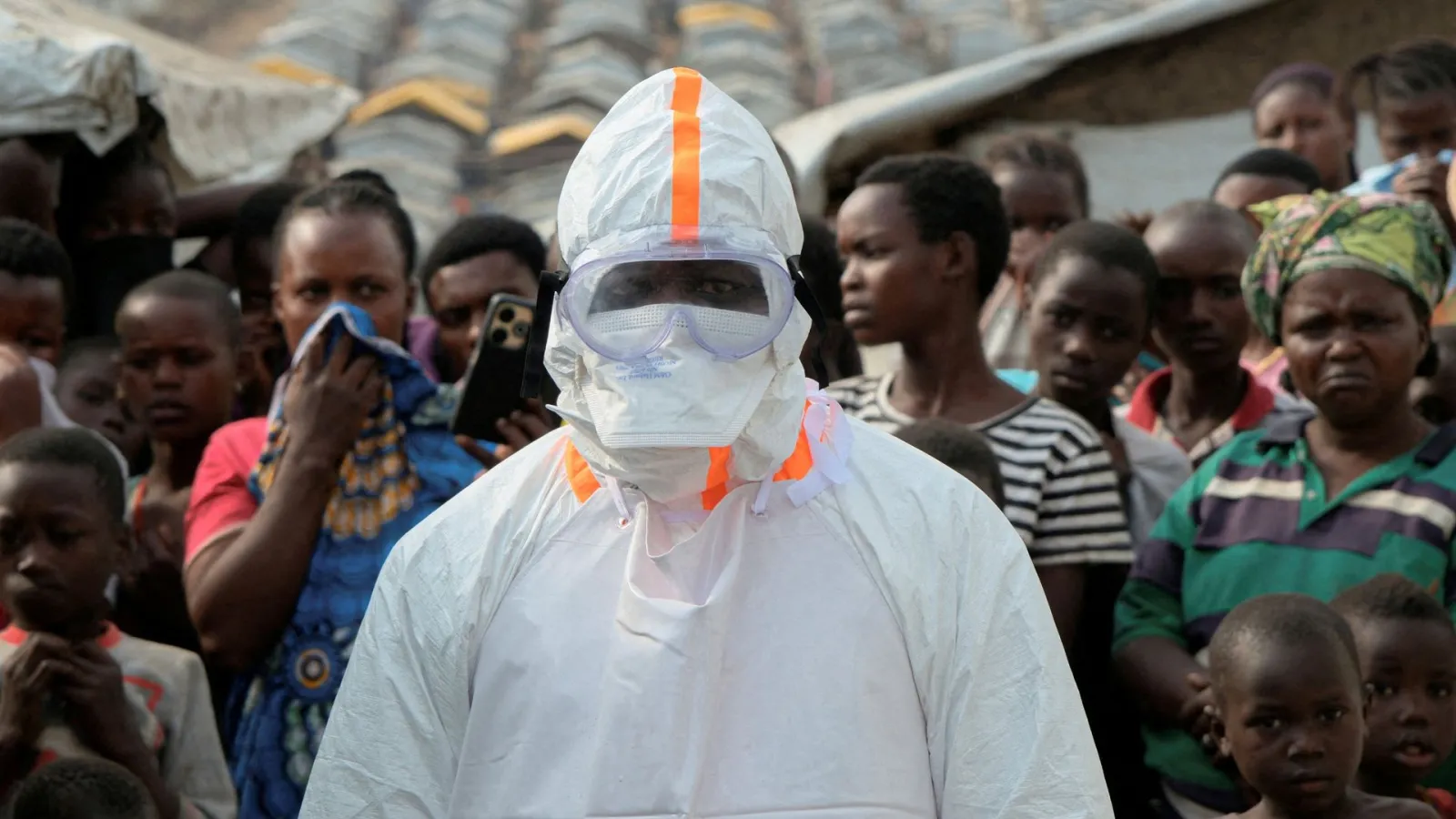
The Democratic Republic of Congo is currently battling an Ebola outbreak that the World Health Organization has identified as the fastest-growing epidemic of its kind in recorded history. While the urgency of the medical crisis is escalating, a secondary but equally critical challenge has emerged: a severe shortage of trained personnel. The DRC simply does not have enough health workers to staff the treatment centers that epidemiologists say are essential for containing the virus. This dual threat—rapid viral spread coupled with a hollowed-out healthcare workforce—presents a complex logistical and humanitarian puzzle that demands immediate, coordinated attention.
Staffing Gaps Limit Outbreak Response
The core of the operational crisis lies in the human element. Opening and maintaining a single Ebola treatment center requires not just infrastructure, but a dedicated team of doctors, nurses, epidemiologists, and support staff who are specifically trained in infection control and patient care. As community transmission accelerates across multiple provinces in the DRC, the number of required facilities is rising. However, the pool of available, qualified staff is not expanding at the same rate. This discrepancy is creating bottlenecks in the response chain. Without adequate staffing, it becomes exponentially harder to isolate new cases, trace close contacts of infected individuals, and provide consistent care to those already hospitalized. The result is that the frontline of the health response is being stretched to breaking point, reducing the overall effectiveness of containment measures.
Rapid Spread Raises Alarm
The speed at which this current outbreak is progressing is a significant deviation from previous Ebola epidemics in the region. Since the virus was first identified in 1976, the DRC has experienced multiple outbreaks, each presenting its own unique set of challenges. However, officials note that the current acceleration is outpacing all prior records. This rapid growth is not merely a statistic; it is a physical strain on the health system. The surge in cases is depleting medical supplies and thinning response teams. In areas that were already underserved by basic health infrastructure before the outbreak began, this acceleration is making the situation untenable. The virus is moving faster than the resources can be mobilized to stop it, creating a widening gap between the need for care and the ability to provide it.
Logistical Hurdles Compound Risk
Geography and infrastructure play a significant role in hindering the response. Large parts of the regions affected by the Ebola outbreak are difficult to access by road, often relying on river transport or small aircraft during peak seasons. These logistical challenges are compounded by disruptions in local supply chains. Critical items such as personal protective equipment, vaccines, and diagnostic testing kits are in short supply or face delays in reaching remote areas. The World Health Organization has publicly appealed for additional international support to address this gap. The request is two-fold: to provide the surge of health workers that is currently missing and to ensure that medical materials are delivered efficiently to the points of greatest need. Without this external reinforcement, the local response is insufficient to manage the scale of the crisis.
Community Mistrust Slows Containment
Technical and logistical barriers are not the only obstacles; social dynamics play a crucial role in containment efforts. In several communities, there is a noted resistance to outside health workers. Misinformation about Ebola and its treatment measures has taken root, causing some residents to delay seeking care or to refuse contact tracing. This mistrust is slowing the epidemiological process, as unidentified cases remain in the community, acting as vectors for further spread. Local leaders and health officials have joined in calls for a different approach to outreach. They emphasize the need for transparent communication and culturally appropriate engagement to build trust. When communities understand the risks and believe in the intentions of health workers, they are more likely to participate in isolation protocols and seek treatment early.
Regional Impact Under Scrutiny
The situation is not contained within the DRC’s borders. Neighboring countries are monitoring the outbreak closely, recalling how previous Ebola incidents in the DRC eventually spilled across borders, leading to regional crises. Health ministries in Uganda, South Sudan, and Rwanda have reportedly stepped up screening at entry points. They are also reviewing their domestic preparedness plans to ensure they can handle an influx of cases if the outbreak expands. The interconnectedness of the region means that a failure to contain the virus in the DRC today could result in a multi-country epidemic tomorrow. This shared risk necessitates a coordinated regional response, including the sharing of resources and information between neighboring health authorities.
As cases continue to climb, the DRC’s ability to scale its treatment capacity depends largely on whether international partners can provide the surge of health workers that the WHO says is missing. This is not just a local health issue; it is a test of global solidarity in pandemic response. Without that support, officials fear the outbreak could become both larger and harder to control, posing a threat that extends well beyond the DRC.
Sumber & Referensi
Referensi berikut digunakan sebagai konteks faktual. Artikel ditulis ulang secara editorial dan bukan salinan dari sumbernya.