
How a Texas Oil Geologist's Donation Shaped Guadalupe Mountains National Park
Discover how Texas oil geologist Wallace Pratt donated his McKittrick Canyon estate in 1959, helping establish Guadalupe Mountains National Park.
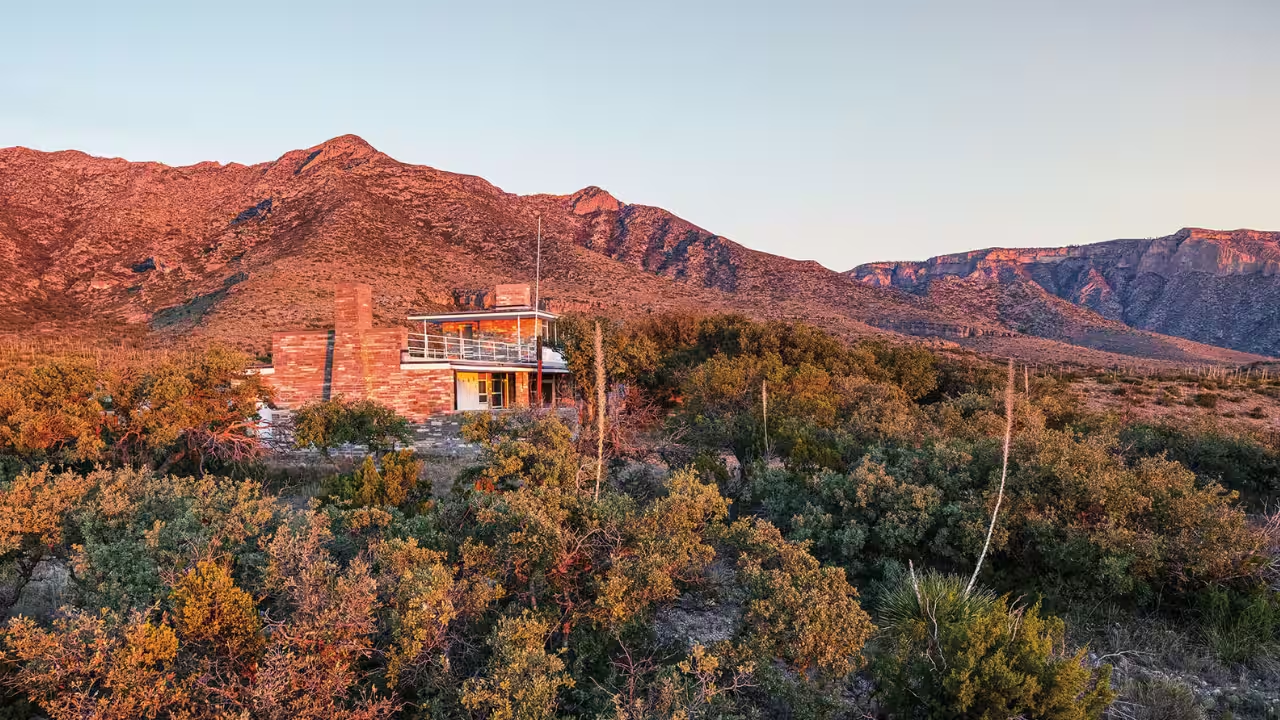
Wallace Pratt was not an environmentalist by training; he was an oil geologist from Texas. Yet his encounter with McKittrick Canyon in 1921 shifted the trajectory of the region's protected status. What began as a professional survey or recreational stop transformed into a lifelong commitment to preserving the canyon's unique landscape. Thirty-eight years later, Pratt made a decisive move: he donated 4,942 acres of land and his private residence to the federal government. This contribution was not merely a gesture of charity; it was the foundational event that enabled the creation of Guadalupe Mountains National Park.
From Private Retreat to Public Trust
Pratt's initial interest in the canyon stemmed from its breathtaking natural features. He purchased land in the area specifically to create a private retreat, building two residences on the property, one of which he named "Ship on the Desert." For decades, this land remained a private holdout in a landscape increasingly recognized for its geological and ecological significance. The motivation behind the purchase was personal—a place for respite and reflection. However, as time passed and the context of land conservation in the United States evolved, the purpose of the holding began to shift.
The transition from private ownership to federal stewardship was cemented by Pratt's later actions. The specific act of donating his home and the vast acreage provided the government with the physical infrastructure and land base necessary to manage the area effectively. Without this specific parcel and the buildings situated within it, the administrative and logistical framework for the park might have faced significant hurdles. Pratt's decision effectively converted his personal sanctuary into a publicly accessible resource, bridging the gap between a rugged, isolated desert landscape and a managed national unit of the federal system.
The Role of Personal Connection in Conservation
The narrative of Wallace Pratt highlights a common, yet underexplored, pathway to environmental preservation in the American West. Many conservation efforts in remote regions were driven not by policy mandates or scientific mandates alone, but by individuals who developed deep personal ties to specific places. Pratt's journey mirrors that of other key figures in the history of U.S. national parks, where private landowners played a critical role in determining the final boundaries and character of federal protected areas.
Following the passing of his first spouse, Pratt continued his conservation journey alongside Iris Calderhead. This partnership extended beyond personal life; it reinforced the commitment to the land's preservation. Their involvement suggests that the donation was not a spontaneous transaction but the culmination of a sustained, decades-long relationship with the canyon. The stability provided by this partnership likely supported the long-term stewardship of the land before it was transferred to the federal government.
Legacy of the Donation
The donation of 4,942 acres remains a critical chapter in the history of Guadalupe Mountains National Park. By transferring the "Ship on the Desert" residence and the surrounding land, Pratt ensured that this specific vantage point of McKittrick Canyon would remain under federal protection. Today, this area serves as a testament to the individual's power to shape public landscapes. While the park now draws visitors from across the country, its origins are rooted in the specific choices made by a Texas geologist in the early 20th century. The story serves as a reminder that national parks are often the composite result of private ownership, personal passion, and eventual public donation.
Pratt's legacy is not just about the acreage; it is about the transformation of a private retreat into a shared public asset. This shift underscored the value of McKittrick Canyon not just as a geological curiosity, but as a place worthy of permanent federal protection. For modern readers, the story illustrates that conservation is rarely the product of top-down policy alone, but often emerges from the ground up, driven by individuals who recognize the worth of specific, irreplaceable places.
Sumber & Referensi
Referensi berikut digunakan sebagai konteks faktual. Artikel ditulis ulang secara editorial dan bukan salinan dari sumbernya.