
Pope Leo XIV Warns France Visit That a 'Paradise of Machines' Could Undermine Humanity
Pope Leo XIV used his first papal visit to France to warn that unchecked scientific progress and a 'paradise of machines' could undermine human rights and human dignity.
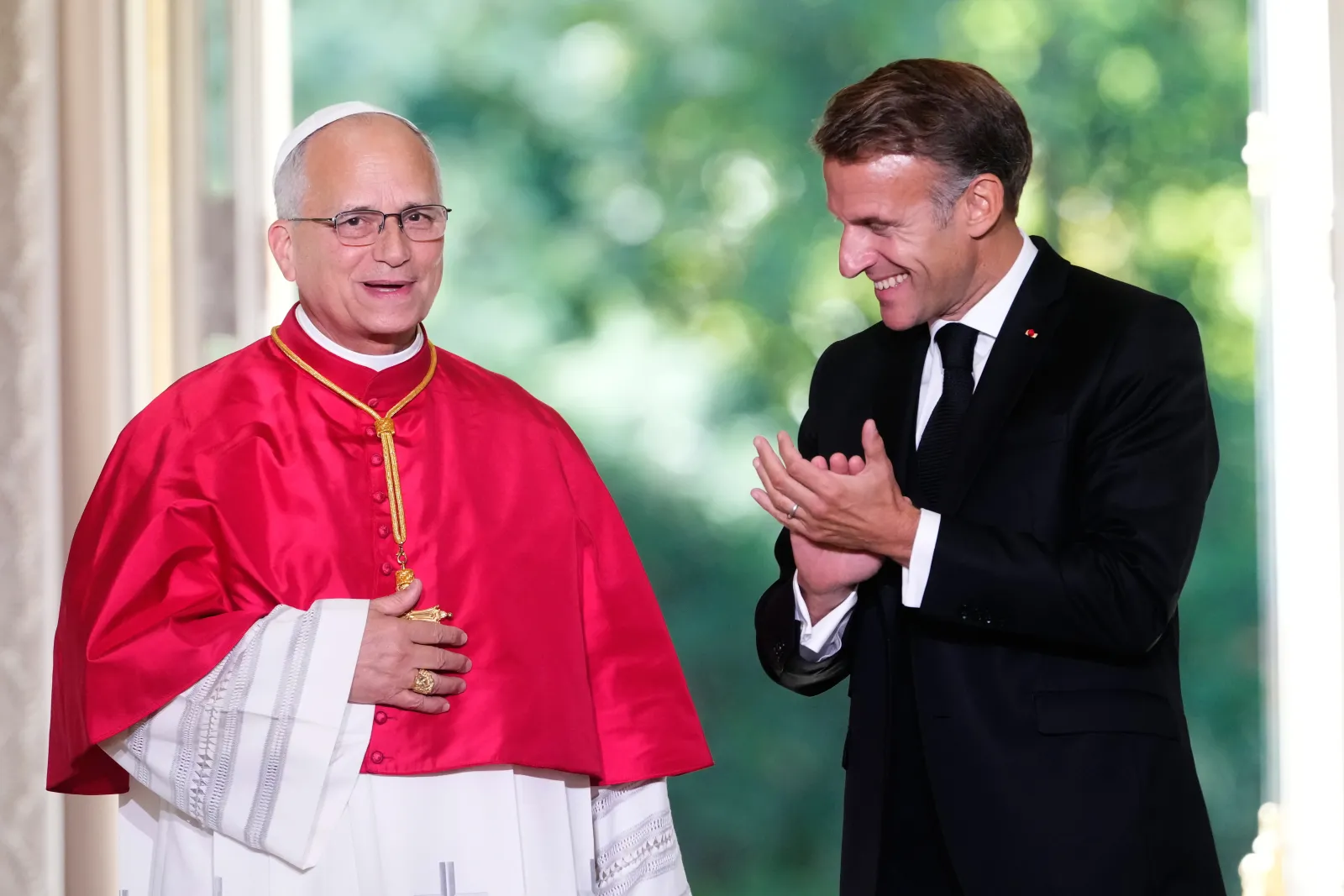
Pope Leo XIV used his first papal visit to France to deliver an unusually pointed warning about the direction of modern science, telling his audience that a "paradise of machines" built without moral restraint could end up diminishing the very people it is meant to serve. The address tied rapid technological advances to existential questions about life, human rights, and the purpose of progress itself.
The setting gave the message added weight. France carries a long tradition of debate over secular ethics, digital governance, and bioethics, and the pope's decision to raise these concerns there placed the Catholic Church's voice directly into policy conversations already underway across Europe. Rather than treating the issue as an abstract theological matter, the speech framed it as a practical question about what societies choose to protect as automation and algorithmic systems spread.
Why the 'Paradise of Machines' Warning Matters
At the center of the pope's argument was a simple but uncomfortable claim: technical capability is not the same as human flourishing. A society that measures progress mainly by productivity, efficiency, and the sophistication of its automated systems can quietly begin to treat people as obstacles to be optimized away. The phrase "paradise of machines" captured that risk — a vision of comfort and order that looks appealing on the surface but leaves little room for human dignity, vulnerability, or moral judgment.
Pope Leo XIV did not reject scientific inquiry. His concern was with the ethical orientation guiding it. When research and innovation are allowed to set their own boundaries, the speech suggested, the result is not neutral. Choices about how to develop and deploy technology become choices about what kind of society people will live in, and those choices carry consequences for the weakest members of that society first.
The address identified several areas where this tension is most acute:
- The definition of human life: The pope warned that technological development could commodify or diminish physical and spiritual existence if it is not anchored to a clear moral framework.
- Fundamental human rights: Automated and algorithmic processes risk displacing legal protections or ethical oversight when they are treated as purely technical matters.
- The purpose of scientific progress: Technical capability, he argued, must operate under ethical boundaries rather than setting them unilaterally.
France as a Stage for Existential Questions
Delivering this message in France was not incidental. The country has been a central forum for debates over digital regulation, bioethics, and the relationship between state authority and individual rights. By speaking there, Pope Leo XIV engaged an audience already wrestling with how to govern fast-moving technologies, including autonomous systems and algorithmic tools that increasingly shape daily life.
The pope's framing avoided purely decorative theology. Instead, it focused on pragmatic existential threats: what happens to labor protections, personal liberties, and the legal status of human life when mechanical optimization becomes the default priority. The speech presented the current moment not as one transitional phase among many, but as an inflection point where technological dominance could permanently displace human priority.
That framing matters because utopian language around technology is common. Advocates often promise frictionless labor, systemic efficiency, and solutions to complex social problems. Pope Leo XIV pushed back on the assumption that mechanical capability naturally correlates with human well-being. His intervention added a moral scrutiny that is often missing from policy discussions dominated by engineering and economic metrics.
The Church's Role in a Global Policy Debate
The speech arrives as international leaders and regulatory institutions struggle to manage the rapid emergence of advanced autonomous systems. Debates over artificial intelligence, data governance, and bioethics are moving faster than many legal frameworks can adapt. Into that gap, the pope inserted a clear claim: ethical guardrails are not obstacles to progress but conditions for it.
For Catholic audiences, the message reinforced a long-standing tradition of linking faith to social and ethical questions. For secular policymakers, it offered a reminder that technological governance is not only a matter of compliance or competitiveness. It is also a question of what kind of human future is being built, and who gets to decide.
The pope's warning about a "paradise of machines" is unlikely to settle any specific regulatory dispute. But it reframes the terms of the debate. Instead of asking only what technology can do, the speech asks what it preserves of the human person — and whether societies are willing to set limits before those limits are set for them.
Sumber & Referensi
Referensi berikut digunakan sebagai konteks faktual. Artikel ditulis ulang secara editorial dan bukan salinan dari sumbernya.