
Xi's Washington Visit: High Ceremony, Low Concrete Gains
Analyze the Xi-Trump summit at the White House. Explore the balance between diplomatic pageantry and unresolved disputes over trade, AI, and regional conflicts.
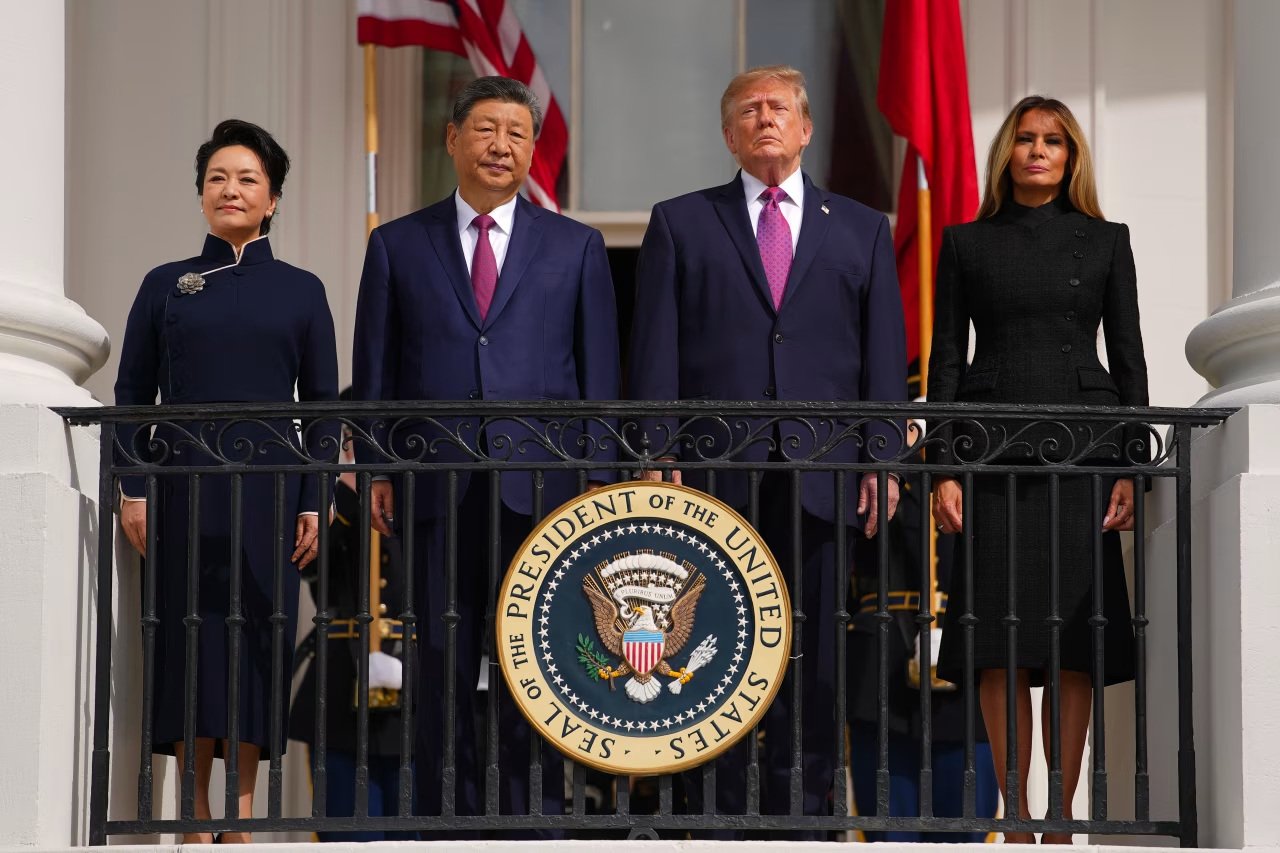
The recent summit between U.S. President Donald Trump and Chinese President Xi Jinping unfolded in the formal corridors of the White House, marked by traditional diplomatic rituals rather than significant policy breakthroughs. This event represents the first visit by the Chinese leader to Washington in more than ten years, a milestone that carries substantial weight in bilateral relations. The ceremonial aspects of the meeting, including a red-carpet arrival and a 21-gun salute, highlighted the mutual desire to maintain open channels of communication. However, the lack of specific, announced agreements underscores the depth of the structural disagreements that continue to divide the two economies.
Historical Significance and Diplomatic Context
The timing of this visit is notable for its rarity. Prior high-level exchanges between these leaders occurred primarily during the initial tenure of Mr. Trump. The resumption of such direct, in-person dialogue signals that both administrations view the relationship as too critical to manage solely through proxies or distant diplomatic channels. The elaborate ceremony served a dual purpose: it projected a stable, cooperative image to domestic and international audiences, while simultaneously providing a neutral, controlled environment for difficult negotiations. This approach allows both sides to manage public expectations while acknowledging that the underlying friction points remain unresolved.
Core Economic and Technological Disputes
At the heart of the strained relationship are longstanding disagreements regarding trade imbalances and the imposition of tariffs. These economic conflicts have evolved to include severe concerns over China's rapid advancement in artificial intelligence and other critical technologies. U.S. policymakers have increasingly linked technological sovereignty to national security, leading to strict export controls on semiconductor chips and advanced computing hardware. For China, these restrictions are perceived as attempts to curb its economic growth and strategic independence. The summit did not produce a framework to lift these restrictions, indicating that the technological competition between the two nations remains a primary fault line in their diplomatic engagement.
Geopolitical Tensions and Regional Stability
Beyond economic matters, the leaders addressed divergent stances on global conflicts, particularly those involving the Middle East and broader regional stability. The U.S. and China hold differing perspectives on conflicts such as the war in Gaza and the broader Israel-Hamas situation. These geopolitical disagreements add a layer of complexity to the bilateral relationship, as they extend beyond bilateral trade into the realm of international norms and security alliances. The inability to find common ground on these regional issues highlights the challenge of managing competition without triggering broader escalation. The summit served as a forum to communicate these differences directly, reducing the risk of miscalculation even if it did not resolve them.
Implications for Global Markets and Alliances
The outcome of the Xi-Trump summit, characterized by high ceremony but low concrete gains, has specific implications for global markets and international partnerships. Investors and allies in Asia and Europe are monitoring the signals sent by Washington and Beijing to gauge the stability of the global supply chain. The emphasis on maintaining engagement without major breakthroughs suggests a period of managed uncertainty. Industries reliant on cross-border technology transfer and international trade face continued volatility. The strategic posturing adopted by both leaders is expected to shape the geopolitical alignment of other nations, forcing them to navigate an increasingly bipolar economic landscape. The summit confirms that while the door to dialogue remains open, the threshold for substantive agreement remains high.
The visit by Mr. Xi to the White House ultimately serves as a barometer for the state of U.S.-China relations. It demonstrates that despite intense competition and deep ideological differences, both powers recognize the necessity of institutionalized contact to prevent conflict. The lack of a major peace treaty or comprehensive economic deal is not a failure of the summit, but a reflection of the current reality where stability is prioritized over transformation. As the two leaders continue to navigate this complex terrain, the focus will remain on preventing escalation and maintaining communication lines, even if the path toward full reconciliation remains long and uncertain.
Sumber & Referensi
Referensi berikut digunakan sebagai konteks faktual. Artikel ditulis ulang secara editorial dan bukan salinan dari sumbernya.