
Power Dynamics at the White House: The Business Elite Behind the Trump-Xi Dinner
Discover the significance of the Trump-Xi White House dinner, featuring top business leaders and U.S. officials, and its impact on U.S.-China economic relations.
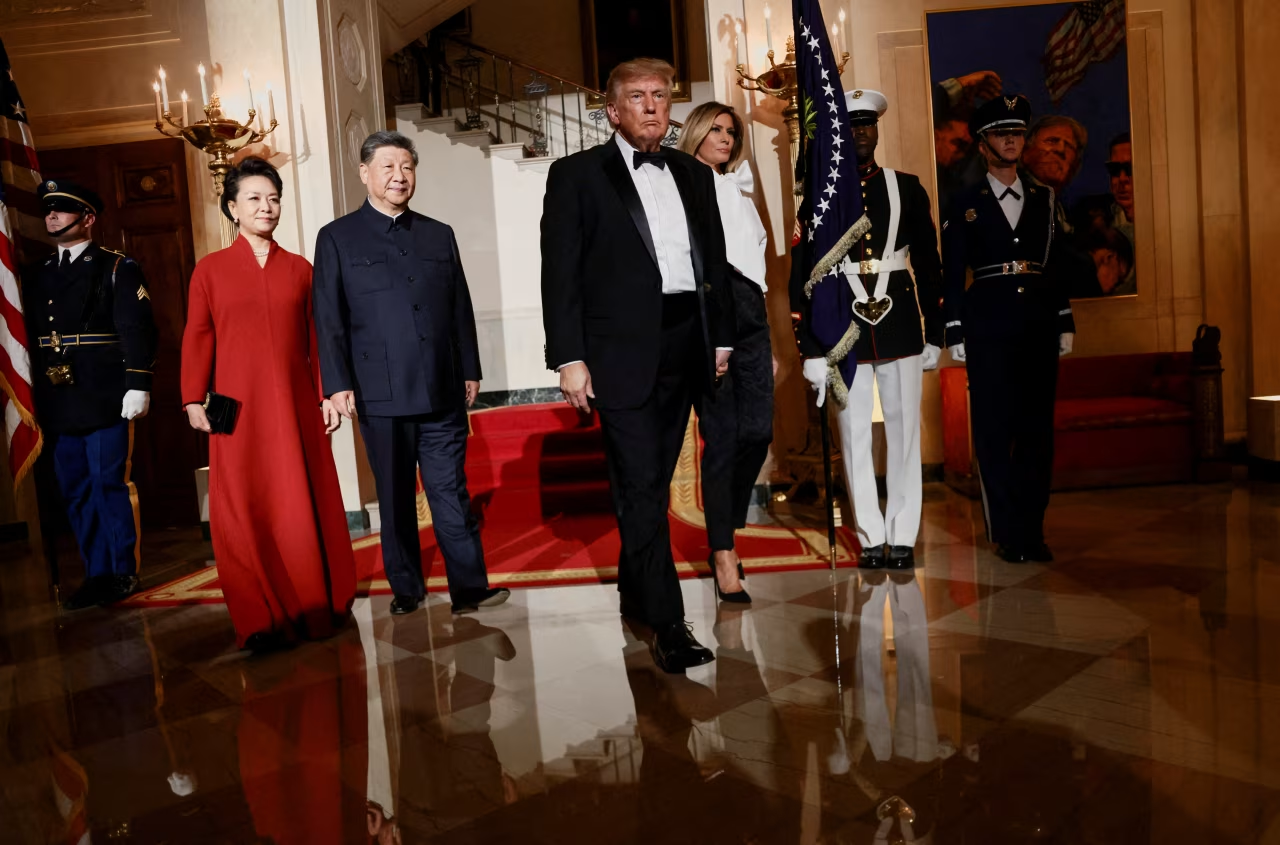
The Economic Weight of the Guest List
The recent White House dinner hosted by President Donald Trump and Chinese President Xi Jinping was not merely a ceremonial event; it was a carefully calibrated display of economic influence. The guest list, featuring prominent billionaire business leaders alongside high-ranking U.S. officials, underscores the administration's heavy reliance on private sector figures to navigate the complex trade relationship with China. For readers, the significance of this gathering lies not just in who was in the room, but in what their presence signals about the current diplomatic strategy: a move away from purely state-to-state negotiations toward a model where corporate stakeholders are directly involved in high-level discussions.
This approach reflects a broader trend in modern international relations, where economic interdependence often dictates political outcomes. By inviting top executives, the White House effectively bridges the gap between diplomatic policy and market reality. These business leaders are not passive observers; they are key actors who understand the on-the-ground implications of tariffs, regulatory changes, and supply chain disruptions that affect their global operations.
Business Leaders as Diplomatic Bridges
The inclusion of billionaire entrepreneurs in such high-profile state dinners serves a dual purpose. First, it validates the economic importance of the private sector in shaping U.S.-China relations. Second, it provides a channel for direct communication that bypasses the slower, more formalistic channels of traditional diplomacy. When U.S. corporate chiefs sit at the same table as world leaders, it signals that the financial interests of American industry are being considered at the highest levels of government.
However, this strategy also introduces new variables into the diplomatic equation. Business leaders must balance their corporate interests with national policy goals, a tension that can sometimes surface in public or private discussions. The presence of these figures at the dinner suggests that the administration views the business community as essential partners in managing the rivalry with China, rather than just stakeholders affected by its outcomes.
U.S. Officials and the Policy Framework
Alongside the corporate heavyweights, the attendance of senior U.S. officials indicates a coordinated effort to align political will with economic strategy. These officials are tasked with implementing the policies that shape the bilateral relationship, ensuring that diplomatic gestures translate into tangible legislative and regulatory actions. Their presence at the dinner reinforces the message that the U.S. government is committed to a structured approach to managing tensions with China.
The synergy between business and state in this context is critical. While business leaders may focus on immediate market conditions and profit margins, officials are looking at long-term strategic goals, such as technological leadership and national security. The dinner served as a platform for these different perspectives to converge, highlighting the complexity of managing an economic relationship that is both competitive and cooperative.
Implications for Global Markets
For global markets, the composition of the Trump-Xi dinner guest list offers insights into future economic directions. The prominence of specific industry leaders can hint at which sectors are considered pivotal in the U.S.-China dynamic. For instance, if tech executives are heavily represented, it may indicate a focus on semiconductor supply chains or AI development. If energy or manufacturing leaders dominate, the focus might shift to industrial capacity and green technology investments.
Investors and analysts often look at such high-profile meetings for subtle shifts in tone or priority. The fact that these dinners are open to business elites suggests that market stability and predictability are goals, even amidst political rivalry. This hybrid approach aims to minimize the economic shocks that typically accompany diplomatic standoffs, potentially benefiting global supply chains that are dependent on both American innovation and Chinese manufacturing capacity.
The Role of Personal Networks in Diplomacy
Modern diplomacy increasingly relies on personal relationships and trust networks, often built in these types of exclusive settings. The dinner provides an environment where informal conversations can occur, potentially easing tensions that formal negotiations might exacerbate. While the details of these private discussions are not public, the mere act of sharing a table can build a baseline of goodwill that supports broader strategic talks.
This 'networked diplomacy' is a departure from the more rigid, state-centric models of the past. It acknowledges that in a globalized economy, the boundaries between the public and private sectors are blurred, and successful diplomacy requires engaging with all key actors, including those who wield significant economic power. The guest list is a testament to this evolving paradigm, where the business community is no longer just a recipient of policy but a co-creator of the economic landscape.
Challenges of Integrating Business Interests
While the involvement of business leaders brings valuable insights, it also poses challenges. Critics may argue that giving corporate executives a seat at the diplomatic table could prioritize short-term profit over long-term national interests or geopolitical stability. There is a risk that corporate preferences might skew policy in ways that do not align with broader societal or strategic goals.
Managing this balance is a key challenge for the administration. It requires ensuring that the voices of business leaders are heard without compromising the independence of U.S. foreign policy. The dinner represents a step in this balancing act, but the ongoing success of this strategy will depend on how well the administration can integrate diverse economic interests into a cohesive diplomatic framework.
Sumber & Referensi
Referensi berikut digunakan sebagai konteks faktual. Artikel ditulis ulang secara editorial dan bukan salinan dari sumbernya.