
Ted Baker's High Street Return: A Strategic Pivot After Store Closures
Ted Baker is returning to British high streets, more than two years after closing its final standalone location.
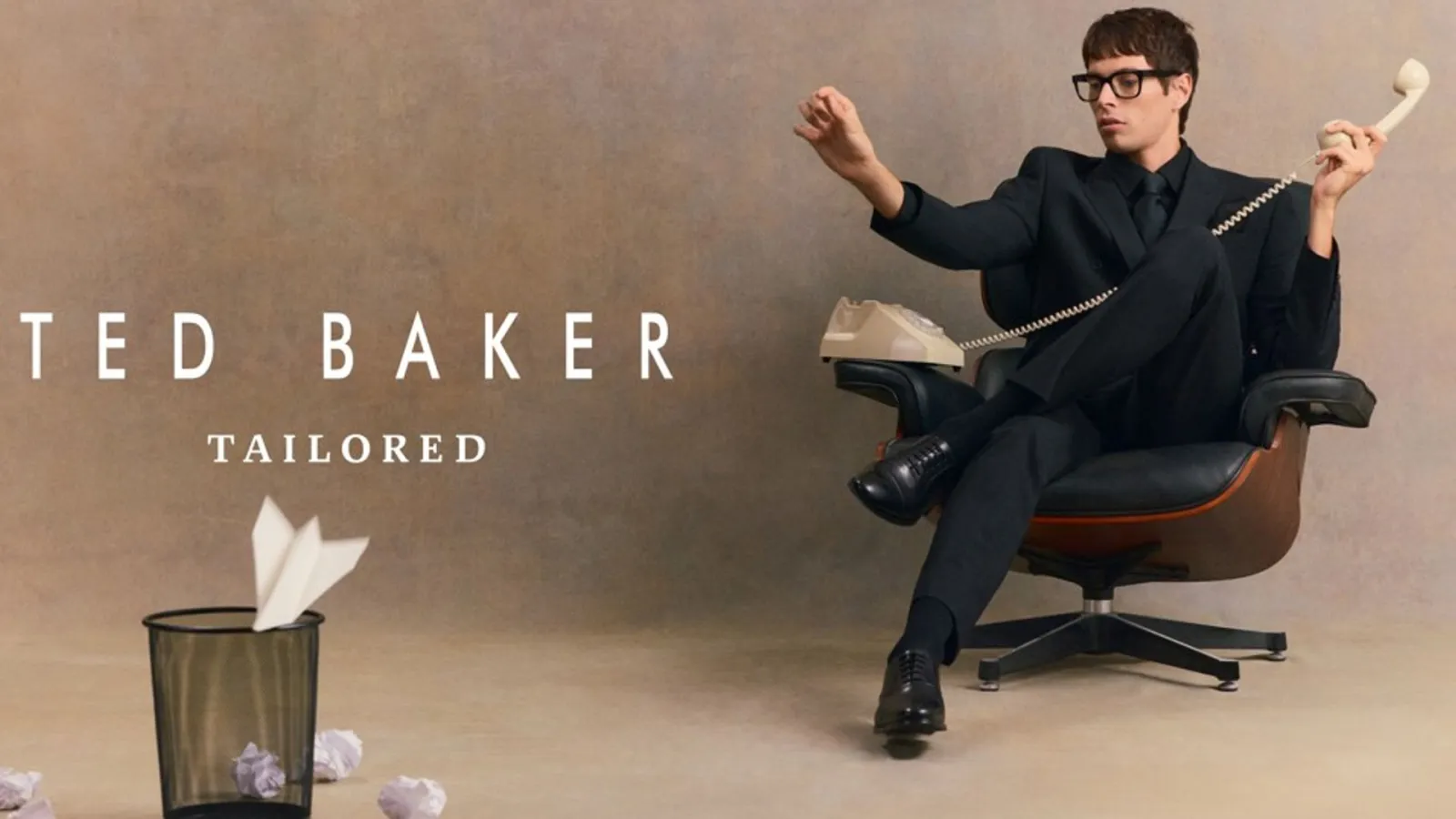
Ted Baker is returning to British high streets, more than two years after closing its final standalone location. The fashion brand, known for its distinctive check pattern, is re-entering the physical retail space through new partnerships rather than opening its own flagship stores. This comeback marks a significant strategic shift for a label that has long relied on direct retail presence to maintain its market position.
From Standalone Stores to Selective Partnerships
The closure of Ted Baker’s standalone stores signaled the end of an era for the brand’s direct-to-consumer model. For over three decades, the label operated its own outlets, allowing control over customer experience, pricing, and inventory. The decision to shut these doors was a response to shifting consumer behaviors and the rise of online retail.
The current comeback differs fundamentally from previous retail expansions. Instead of leasing prime locations for exclusive Ted Baker spaces, the brand is entering high streets through wholesale partnerships and department store concessions. This model reduces financial overhead and aligns with the broader retail trend of brands seeking presence without the burden of standalone operations.
The Strategic Rationale Behind the Return
Re-entering the high street serves multiple purposes for Ted Baker. First, it reinforces brand visibility in a market where online competition has diluted physical retail footfall. Shoppers increasingly value the ability to see, touch, and try garments before purchasing, a capability that e-commerce cannot fully replicate.
Second, this move addresses the gap left by the closure of standalone stores. While online sales provide convenience, they lack the immediate gratification and social component of in-store shopping. By partnering with established retail platforms, Ted Baker leverages existing foot traffic and customer trust in those venues, reducing the risk associated with opening new independent locations.
Impact on the British High Street
Ted Baker’s return adds another data point to the evolving high street landscape. Many traditional fashion retailers have withdrawn from physical locations, leaving large retail voids in urban centers. The brand’s strategy suggests a potential pathway for other fashion labels seeking to maintain physical presence without the capital-intensive model of standalone stores.
This approach also reflects a broader industry trend where brands prioritize flexibility over fixed assets. In a market where consumer preferences can shift rapidly, the ability to adjust retail footprint through partnerships offers greater agility than long-term leases for dedicated spaces. The high street, often described as in decline, is instead adapting to new commercial models that emphasize collaboration over competition.
Ted Baker's move illustrates the flexibility required in modern retail. By aligning with established partners, the brand maintains visibility while minimizing operational risk.
For consumers, this development means continued access to Ted Baker products in physical stores across major British cities. The brand’s signature styles remain available, now distributed through a network of retail partners rather than proprietary outlets. This ensures that the physical shopping experience, a key component of the brand’s identity, is preserved even as its retail structure transforms.
Long-Term Implications for Fashion Retail
The success of this comeback will depend on consumer response and the compatibility of Ted Baker’s brand identity with its new retail partners. If the model proves sustainable, it could influence other fashion houses to reconsider their retail strategies, moving away from standalone dominance toward a hybrid approach.
Ted Baker’s trajectory from high street staple to temporary absence and now selective return offers a case study in retail adaptation. The brand has demonstrated that physical presence remains vital for fashion labels, but the form of that presence is no longer fixed. The high street is not disappearing; it is evolving into a platform for diverse retail partnerships, offering brands a lower-risk path to maintain their connection with physical shoppers.
Sumber & Referensi
Referensi berikut digunakan sebagai konteks faktual. Artikel ditulis ulang secara editorial dan bukan salinan dari sumbernya.