
Middle East Crude Exports Restore Pre-War Volumes via Logistical Flexibility
Global energy markets are witnessing a stabilization in Middle East crude oil exports that analysts describe as a return to prewar levels.
Global energy markets are witnessing a stabilization in Middle East crude oil exports that analysts describe as a return to prewar levels. This development is significant because it occurred in the shadow of an active geopolitical conflict with Iran. For investors and policymakers alike, this restoration suggests that physical supply constraints have been mitigated through operational agility rather than diplomatic de-escalation. The market’s reaction hinges on whether this stability is temporary or a new operational baseline for the region.
Logistical Ingenuity Over Political Resolution
The primary driver behind the export recovery is not a change in diplomatic posture, but a shift in logistical strategy. Major crude producers in the Middle East have leveraged alternative infrastructure to bypass the bottlenecks created by the conflict. Specifically, the industry has turned to secondary pipelines and additional port capacities that were previously underutilized. These assets provide a buffer against the disruption of primary export routes, allowing the continuous flow of hydrocarbons to global markets.
According to energy analysts, this approach effectively decouples supply stability from the immediate risks of the Iran conflict. By diversifying the pathways for crude oil, producers have insulated their export volumes from localized geopolitical shocks. This structural resilience is a critical factor that market participants must weigh when forecasting future price volatility. The ability to maintain consistent output, despite the tension, reduces the likelihood of a supply-driven price spike.
The Role of Ship-to-Ship Transfers in Global Supply Chains
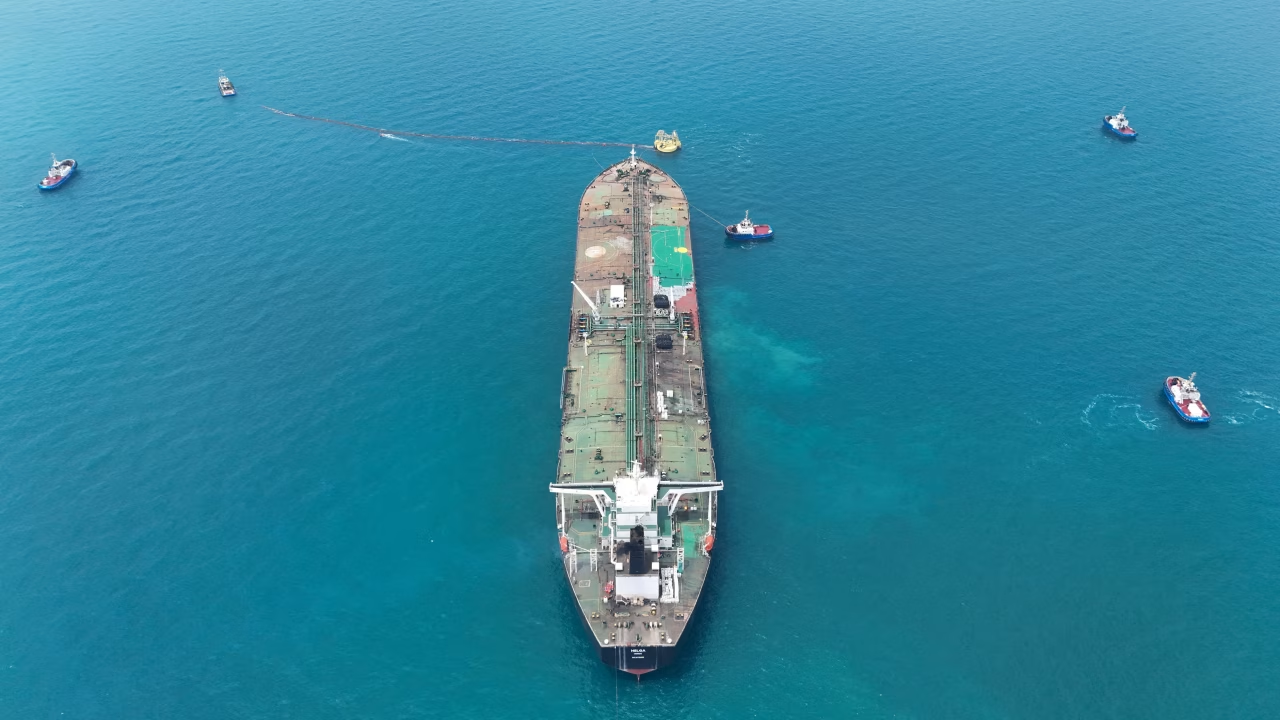
Another critical mechanism in this restoration effort is the increased use of ship-to-ship transfers. This operational technique allows crude to be transferred between vessels at sea, bypassing congested or restricted port areas. In the context of the current regional instability, ship-to-ship transfers serve as a vital workaround. They ensure that cargo can be rerouted efficiently without losing time or incurring the risks associated with prolonged anchorage in sensitive waters.
This method adds a layer of complexity to the logistics chain, but it pays dividends in terms of continuity. Vessels can aggregate cargo from multiple smaller ships or move product from larger carriers to smaller tankers that can navigate shallower or more restricted routes. The integration of these transfers into daily operations highlights the adaptability of the global shipping industry. It demonstrates that even in times of high geopolitical risk, commercial mechanisms can sustain the flow of essential commodities.
Market Implications for Energy Security and Pricing
The restoration of prewar export levels sends a stabilizing signal to global energy markets. For refiners and traders, this predictability is valuable. It allows for better planning of inventory levels and logistics schedules, reducing the premium typically attached to risk during conflicts. However, analysts caution that this stability is contingent on the continued functionality of these alternative routes. If the conflict escalates to a point where even secondary pipelines or open sea transfer zones become unsafe, the market could face a sudden repricing of risk.
Furthermore, this situation illustrates the broader theme of energy security in a multipolar world. The Middle East’s ability to adapt its export infrastructure is a testament to the region’s strategic importance. Global consumers are directly affected by these logistical adjustments, as they determine the consistency of supply that underpins economic growth. The interplay between physical infrastructure and geopolitical stability is now a central variable in energy modeling.
Future Outlook and Strategic Adaptation
As the Iran conflict continues, the focus will likely remain on operational resilience. Producers may look to further diversify their export options, potentially expanding into new port developments or enhancing pipeline interconnectivity. The success of these initiatives will depend on the ability to maintain security around these alternative routes. While the current situation shows that supply can be maintained, the long-term durability of these logistical workarounds is still being tested.
For the global economy, the takeaway is clear: physical supply chains are more robust than previously assumed. The rapid mobilization of alternative infrastructure has prevented a supply crisis that many analysts feared. This operational flexibility serves as a precedent for how regional conflicts can be managed without causing global energy shortages. The market’s confidence in this resilience will likely influence investment strategies in energy infrastructure for the foreseeable future.
Sumber & Referensi
Referensi berikut digunakan sebagai konteks faktual. Artikel ditulis ulang secara editorial dan bukan salinan dari sumbernya.