
Strategic Calculations in the Gulf-Iran Equation: Why Gulf States Want Trump to Hold the Line
Gulf allies urge Trump to keep pressure on Iran to prevent Tehran from using talks to expand regional influence, citing security and economic stability concerns.
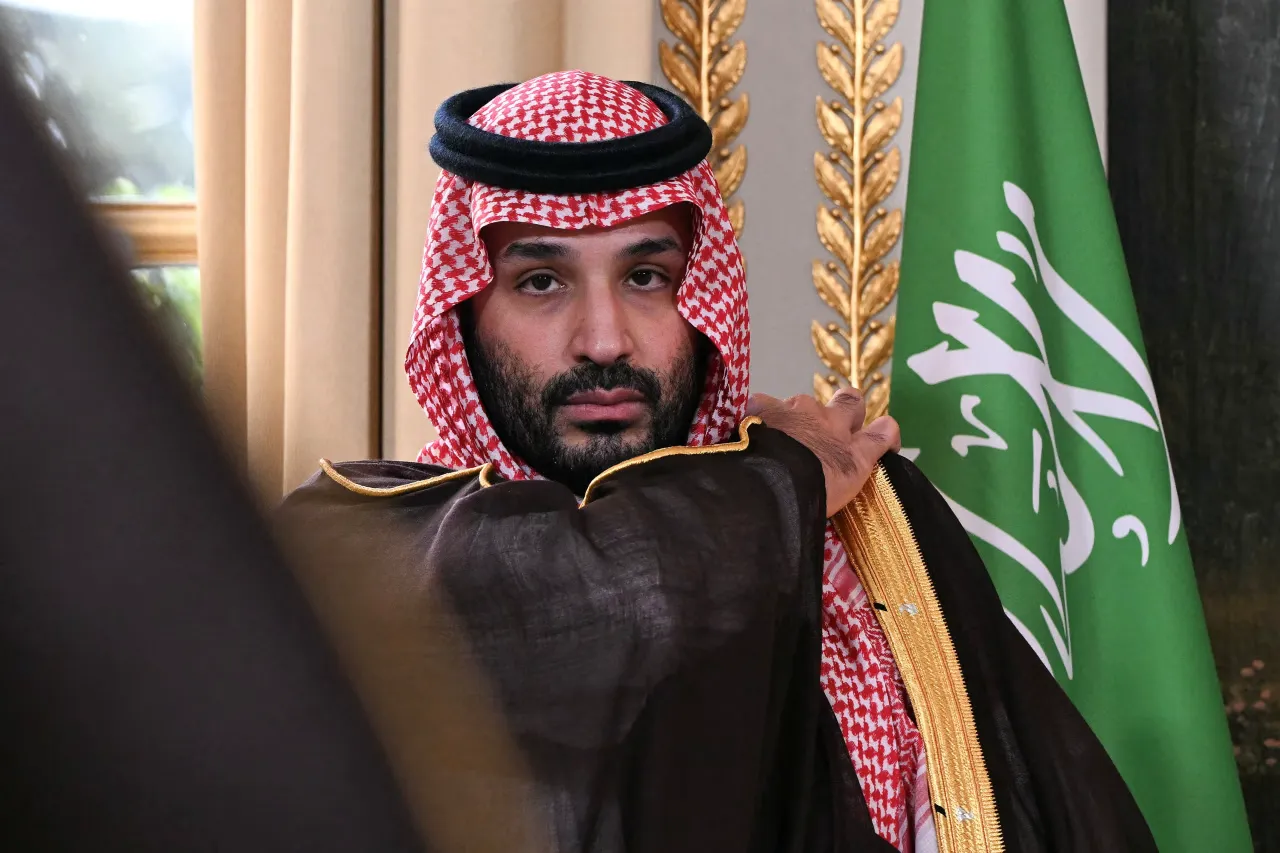
Gulf states are actively urging U.S. President Donald Trump to maintain a firm stance against Iran. This diplomatic push is not a formality; it reflects a calculated strategic decision rooted in the region’s desire for security and stability. As Washington considers new avenues for engagement with Tehran, these allies are making clear that any premature reduction in pressure risks emboldening Iran’s aggressive regional policies and undermining the security architecture of the Gulf.
The Core Logic of Sustained Pressure
The heart of the Gulf position is that sustained pressure is necessary to shape Tehran’s behavior effectively. Gulf leaders believe that without a credible threat of consequences, diplomatic talks will lack the weight needed to force genuine behavioral change. They fear that if the U.S. posture softens too quickly, Iran will use the negotiation window to buy time, consolidate its military and nuclear positions, and continue supporting proxy networks without facing the economic or political costs of its actions.
By maintaining a strong U.S. posture, Gulf allies hope to create a stable environment where economic growth and security can coexist. The alignment between the U.S. and its Gulf partners suggests a coordinated effort to manage a complex geopolitical landscape where the balance of power is constantly shifting. This dual-track approach is seen as the most effective way to manage the Iran file without sacrificing the security of oil-exporting infrastructure or the broader regional balance of power.
Hurdles Facing a New Push for Talks
The prospect of resuming direct negotiations between Washington and Tehran is facing significant hurdles. A major reason is that U.S. allies in the Gulf are determined to keep the pressure on Iran. These states view Iran’s activities—particularly its military expansion, support for armed groups in the region, and actions in the energy sector—as direct threats to their own security and economic prosperity.
Gulf allies argue that any diplomatic breakthrough must be underpinned by a credible threat of consequences. This ensures that leverage remains firmly in U.S. hands throughout the process. The concern is that a purely diplomatic track, stripped of the backing of economic sanctions and military presence, would leave Iran free to normalize its controversial behavior without addressing its core actions. By keeping the pressure high, Gulf states hope to force Tehran to make meaningful concessions before the door to a comprehensive deal can even be properly opened.
Security, Economics, and Diplomatic Leverage
The Gulf strategy rests on three interconnected pillars: security concerns, economic stability, and diplomatic leverage. On security, Gulf states cite Iran’s support for armed groups in the region as a primary reason for wanting to keep pressure high. The network of proxies that Tehran sponsors poses a direct threat to national security and internal stability.
On the economic front, a tense environment in the Strait of Hormuz or surrounding areas directly impacts global energy markets and the economic diversification plans of Gulf nations. The region’s ability to transition to a more resilient economic model depends on a predictable and secure geopolitical environment. The Gulf allies are essentially asking Washington to act as a reliable security guarantor, demonstrating that the cost of misbehavior remains high while the door to peaceful resolution remains open.
Finally, on diplomatic leverage, allies believe that a strong U.S. position is necessary to secure a comprehensive deal that addresses not just nuclear issues but also regional behavior. Without this leverage, any agreement reached would likely be narrow and easily bypassed by Iran’s continued regional activities. The specific request for Trump to “hold the line” is driven by a desire to prevent Iran from normalizing its behavior without addressing its most controversial actions. Gulf states want to ensure that the diplomatic track does not become a cover for Tehran to expand its influence in Yemen, Iraq, and Syria, or to accelerate its nuclear program.
Ultimately, the Gulf states are trying to steer the U.S.-Iran relationship away from a scenario where sanctions are lifted prematurely without meaningful behavioral change. Their strategy relies on the U.S. maintaining a credible military and diplomatic presence in the region, ensuring that any new push for talks is conducted from a position of strength. The focus remains on ensuring that the path to stability is paved with concrete security guarantees rather than vague diplomatic commitments.
Sumber & Referensi
Referensi berikut digunakan sebagai konteks faktual. Artikel ditulis ulang secara editorial dan bukan salinan dari sumbernya.