
Trump Rejects Iranian Plan to Reopen Strait of Hormuz and Halt Middle East Fighting
Trump said Saturday he rejected an Iranian proposal to reopen the Strait of Hormuz and end Middle East fighting, leaving the key waterway closed and the conflict unresolved.
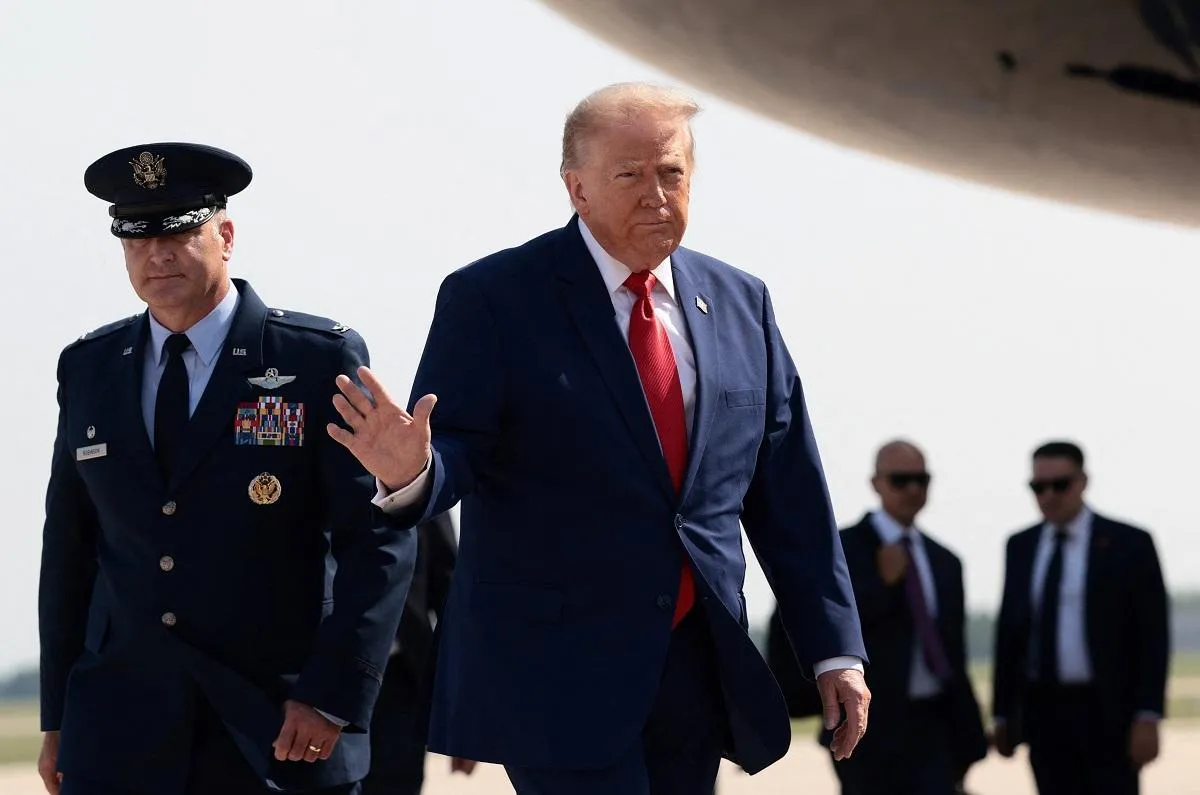
President Donald Trump said on Saturday that he rejected an Iranian proposal to reopen the Strait of Hormuz and bring an end to fighting in the Middle East, according to a report by GMA News Online. The decision leaves one of the world's most important maritime passages closed and leaves the broader regional conflict without a negotiated pause.
The rejection is significant because the Strait of Hormuz is a narrow waterway through which a substantial share of global oil and gas shipments normally passes. Any prolonged closure or disruption there can affect energy prices, shipping routes, and the cost of goods far beyond the Middle East. Trump's public disclosure that he turned down an offer tied to reopening the strait and ending hostilities therefore carries direct economic and security implications.
What the source says — and what it does not
According to the GMA News Online report, Trump's statement came on Saturday and was datelined from Washington, the United Nations, and Cairo. The report describes the Iranian proposal as one that would have reopened the Strait of Hormuz and ended fighting in the Middle East. It does not specify the full terms of the proposal, the precise conditions Iran attached, or the detailed reasons Trump gave for rejecting it.
That limited detail matters. Without the text of the proposal or a fuller transcript of Trump's remarks, it is not possible to say whether the offer was a comprehensive ceasefire framework, a narrow maritime arrangement, or a temporary confidence-building measure. The available source establishes the core fact — Trump said he rejected the proposal — but leaves open the question of what specifically was on the table.
The report also does not indicate whether any follow-up negotiations are planned, whether other parties were involved in conveying the proposal, or how Iran responded to the rejection. Those gaps are important for readers trying to assess whether the rejection closes the door on diplomacy or merely pauses one particular channel.
Why the Strait of Hormuz carries outsized weight
The Strait of Hormuz connects the Persian Gulf to the Gulf of Oman and the open ocean. It is the only sea route out of the Gulf for several major energy producers, which is why even the possibility of a closure tends to move energy markets and prompt naval deployments. A proposal that linked reopening the strait to ending regional fighting would, in effect, have tied a global shipping and energy issue to a broader security negotiation.
Rejecting such a linked proposal means the strait remains part of the unresolved conflict rather than a separately managed humanitarian or commercial corridor. For shipping companies, insurers, and energy importers, that keeps uncertainty elevated. For regional governments, it keeps the focus on military and diplomatic posture rather than on reopening trade routes.
It is also a reminder that the Strait of Hormuz is rarely just a shipping lane in political terms. It functions as leverage. Any proposal to reopen it is likely to be read as a signal about broader intentions, not merely as a technical maritime offer.
How the rejection fits into the wider regional standoff
The GMA News Online report places the rejection in the context of ongoing fighting in the Middle East, with datelines spanning Washington, the United Nations, and Cairo. That geographic spread suggests the story touches multiple diplomatic tracks: US decision-making, UN-level discussions, and regional mediation centered in Egypt. But the source does not detail what role, if any, the United Nations or Cairo-based mediators played in transmitting or shaping the Iranian proposal.
What is clear is that Trump chose to make the rejection public. Publicizing a rejected offer can serve several purposes: it can signal resolve, shift blame for continued fighting, or set the terms for any future negotiation. The source does not state which of those motivations was at play, so readers should treat the public framing as a statement of position rather than a full explanation of strategy.
The absence of a deal also means the status quo continues. Fighting in the Middle East remains ongoing according to the report, and the Strait of Hormuz remains closed under the terms described. Those two facts are now linked in the public record: the rejection covered both reopening the strait and ending the fighting.
What to watch next
Three practical questions follow from the rejection. First, whether Iran or intermediaries put forward a revised proposal, and whether it separates the strait issue from the broader ceasefire question. Second, whether the United States or its partners take unilateral steps to secure or reopen the strait through naval escorts or other means. Third, whether the fighting escalates or whether back-channel talks continue despite the public rejection.
The source does not answer these questions, and any reporting that claims to know the answers without new evidence should be treated cautiously. What the source does establish is the starting point: on Saturday, Trump said he rejected an Iranian proposal to reopen the Strait of Hormuz and end fighting in the Middle East. That single decision keeps a critical waterway closed and a regional war unresolved, with consequences that extend to energy markets and international shipping.
For readers, the key takeaway is that the Strait of Hormuz remains a live point of contention rather than a settled commercial route. Until a new arrangement emerges, the combination of a closed strait and continued fighting will keep both regional security and global energy logistics under pressure.
Sumber & Referensi
Referensi berikut digunakan sebagai konteks faktual. Artikel ditulis ulang secara editorial dan bukan salinan dari sumbernya.