
Suhas Subramanyam Defends 'Help Everyone' Stance After Tamil H-1B Worker with Disability Reaches Out
In the complex landscape of US immigration policy, individual crises often expose the fragility of systems designed to attract global talent.
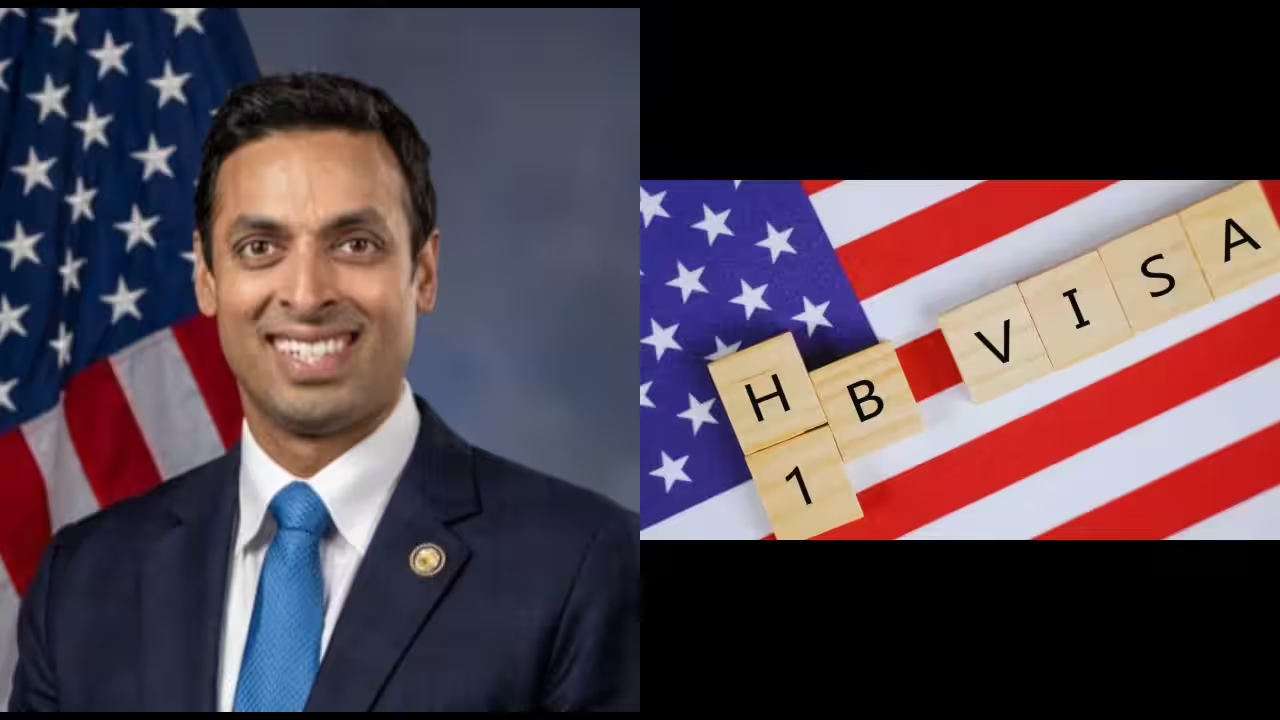
In the complex landscape of US immigration policy, individual crises often expose the fragility of systems designed to attract global talent. A recent incident involving a Tamil H-1B visa holder with a disability highlights this vulnerability. After being terminated from his position, the worker reached out directly to Suhas Subramanyam, an Indian-origin Democrat leader, seeking assistance. This personal outreach drew significant public attention and subsequently online criticism, prompting Subramanyam to issue a definitive response to detractors: “Yes, I help everyone.”
The Personal Crisis Behind the Public Response
The core of this controversy is not merely political, but humanitarian. The H-1B visa program, intended for skilled professionals, leaves holders in a precarious state. For an individual with a disability, job loss is not just a financial setback; it is an existential threat to their legal status and ability to remain in the country. The specific case involves a Tamil man who found himself without income and support after his termination. Lacking a robust immediate safety net within traditional legal or social aid structures, he turned to a public figure who is perceived as accessible to the immigrant community.
This decision to contact a politician rather than a standard legal aid center suggests a gap in the available support infrastructure. Many H-1B workers rely on their employers for visa sponsorship and status maintenance. When employment ends, the window to find a new sponsor or change status is narrow and stressful. For those with disabilities, navigating this process independently is even more arduous, creating a dependency on visible, responsive public servants who can provide immediate guidance or intervention.
Political Representation and the Backlash
Subramanyam’s response to the incident was swift and public. As the story gained traction online, trolls and critics questioned his motives, suggesting he only assists members of his own ethnic community or that his actions were politically calculated. Subramanyam shut down this line of criticism with a clear statement that he helps everyone, regardless of background. This assertion serves two distinct purposes: it reinforces the principle of universal civic duty and rejects the narrative that politicians of immigrant origin should be confined to representing only specific demographic enclaves.
This defense is crucial in a polarized political environment where elected officials are frequently accused of bias. By explicitly stating that his assistance is universal, Subramanyam aligns his actions with the standard of public service. The backlash reflects a broader tension in American politics regarding the allocation of political advocacy and who benefits from a representative's attention. Critics often frame such interactions as favoritism, but the politician’s rebuttal frames it as a baseline expectation of representation: listening to constituents and those in need, irrespective of their origin.
Systemic Gaps in Immigrant Support
While the incident centers on one individual, it points to a systemic issue affecting H-1B visa holders, particularly those from South Asia. These workers form a significant portion of the US tech and professional sectors, yet they face employment situations where a single termination can threaten their residency. The addition of a disability complicates this further, as navigating both the visa system and disability accommodations in a foreign country is exceptionally complex.
The fact that an individual felt compelled to contact a politician directly suggests that institutional support, such as union representation, specialized legal clinics, or employer-sponsored care, is not sufficiently visible or accessible to this demographic. Politicians like Subramanyam often step into this vacuum, offering a visible point of contact that can catalyze broader advocacy. The “Yes I help everyone” statement is therefore not just a political slogan, but a defense against the fragmentation of community support networks. It underscores the need for clearer, more accessible pathways for H-1B workers facing employment termination, ensuring that the US’s reliance on foreign skilled labor is matched by adequate safety nets that are legal, financial, and social.
Sumber & Referensi
Referensi berikut digunakan sebagai konteks faktual. Artikel ditulis ulang secara editorial dan bukan salinan dari sumbernya.