
Nigerian Man Charged With Operating Fake Government Agency
A Nigerian national is accused of creating a fraudulent state body, securing federal office space, and meeting with diplomats.
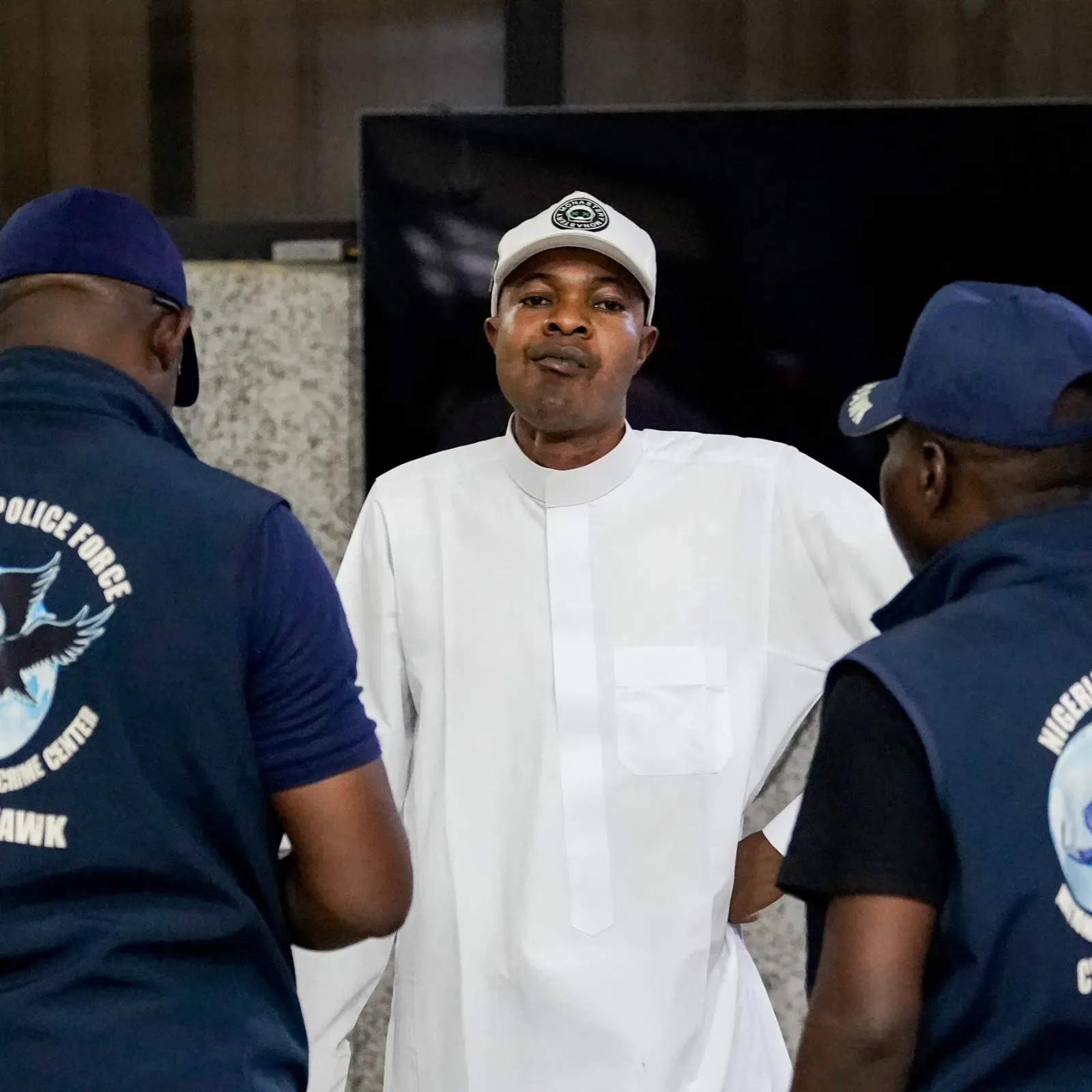
A Nigerian man has been charged with operating a fraudulent organization that pretended to be an official government agency. The scheme went far beyond simple deception; it involved physical presence in government buildings and engagement with international stakeholders. The accused denies all allegations, claiming he is innocent. This case reveals how easily fake entities can exploit institutional trust when verification protocols are weak.
Building a Facade of Legitimacy
The reported actions of the suspect show a methodical approach to establishing credibility. Rather than operating from a distance, he embedded the fake agency into the physical and administrative infrastructure of the state. According to the charges, he secured office space within a federal building. This step is significant because federal facilities typically have security and bureaucratic hurdles that ordinary citizens cannot bypass casually.
Access to this physical space likely provided the suspect with immediate visual proof of legitimacy. Anyone visiting the address would see a government building, reinforcing the belief that the agency inside was official. He also opened bank accounts in the name of this non-existent organization. Financial infrastructure is a major marker of a functioning entity. With bank accounts, the fake agency could theoretically process payments, receive funds, and appear established in the eyes of partners or clients.
Diplomatic Channels and Verification Gaps
The most striking aspect of this operation is the reported meetings with foreign diplomats. Diplomatic personnel are trained to verify the identity and authority of domestic counterparts before engaging in official talks. The fact that these meetings occurred suggests that the fake agency passed initial scrutiny or exploited procedures that do not require deep verification. This raises questions about the vetting processes used by diplomatic missions in Nigeria. It indicates a potential gap where official-sounding names and physical presence in federal buildings can override standard caution.
For a reader observing this from abroad, the diplomatic angle changes the stakes. It is no longer just a local fraud; it touches upon international relations and the credibility of the host country’s institutions. If diplomats accept meetings with a fake agency, it reflects on the effectiveness of their local intelligence and administrative checks. The suspect’s ability to secure these appointments implies he had either significant influence or access to a network that facilitated the introduction.
Legal Repercussions and Precedent
Prosecutors are moving forward with criminal charges that likely include fraud and impersonation of government officials. These are serious offenses in Nigeria, carrying potential prison sentences. The defense of innocence will focus on the lack of intent. The suspect may argue that he misunderstood his authority or that the agency had a legitimate foundation that was later mischaracterized. However, the physical evidence of securing federal space and opening accounts makes the "misunderstanding" argument difficult to sustain in a courtroom.
This case will serve as a test for the Nigerian judiciary in handling complex white-collar crimes that involve institutional mimicry. It also prompts a broader review of security protocols in federal buildings. If a person can secure office space without proper clearance for a non-existent entity, the administrative controls are compromised. Government agencies may now audit their tenant lists and verify the legal standing of every organization operating within their facilities.
The outcome of this trial will have implications beyond the individual defendant. It will influence how domestic and international actors verify government affiliations in Nigeria. Organizations and diplomatic missions may adopt stricter requirements for meeting partners, such as direct verification with the central government or legal certification of the agency’s existence. This incident highlights that trust, while necessary for diplomatic and business relations, is a vulnerability when exploited by individuals with access to state infrastructure. The legal system must now determine the extent of the fraud and ensure that the individuals responsible face consequences commensurate with the damage to public trust.
Sumber & Referensi
Referensi berikut digunakan sebagai konteks faktual. Artikel ditulis ulang secara editorial dan bukan salinan dari sumbernya.